
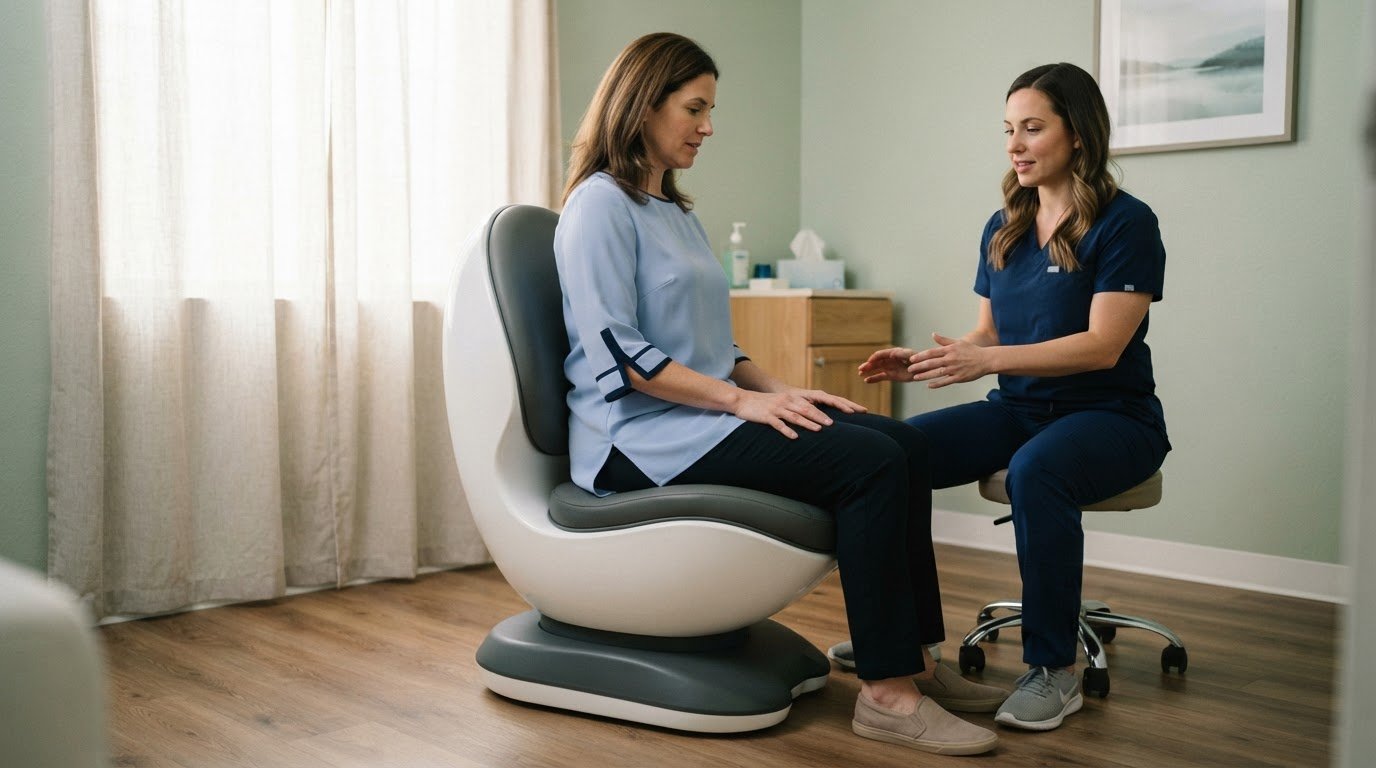
Urinary leakage is a symptom, not a diagnosis. Effective incontinence treatment in Long Beach starts by identifying its pattern: stress incontinence causes leakage with activities such as coughing or exercise, while urge incontinence involves a sudden, intense need to urinate that may be followed by leakage.
It’s understandable to assume all urinary leakage has the same cause or that Kegel exercises work for everyone. The right approach depends on the symptom pattern and its contributing factors. Pelvic-floor strengthening and Kegels may support muscles involved in bladder control, but they don’t replace identifying the type of incontinence.
This article explains urinary incontinence, how stress and urge symptoms differ, and what may contribute to each. It also covers how pelvic-floor exercises may fit into care, why an individualized assessment matters, and how to approach the next step. Understanding these distinctions can help clarify which options may address the cause rather than only the symptom.
Key Takeaways
- Notice whether leakage follows physical pressure or a sudden urge; the pattern helps distinguish stress from urge incontinence.
- Consider possible contributors such as infections, bladder-irritating foods and drinks, childbirth, menopause, or prostate complications.
- Kegel exercises may support pelvic-floor strength, but an assessment helps determine whether they fit the type and cause of leakage.
- Overactive bladder can cause urgency and leakage; treatment choices depend on the symptoms and what is driving them.
Pelvic-floor strengthening and Kegel exercises
Pelvic-floor strengthening targets muscles that support bladder control and urethral function. Kegels are one type of pelvic muscle training, but the plan depends on the leakage pattern and the muscles involved. Stress urinary incontinence is typically linked to weakened pelvic-floor muscles or urethral support, rather than bladder spasms. Pelvic physical therapy is recommended as an initial treatment for this pattern because it may improve or resolve leakage. A professional assessment helps match exercises to the symptoms.
Pelvic physical therapy may include Kegels, strengthening exercises, biofeedback, and electrical stimulation. These approaches give a therapist different ways to guide pelvic muscle rehabilitation. For example, biofeedback can show muscle activity during an assessment or exercise session. A therapist can use that information to shape the plan instead of assuming a particular pattern of weakness. The aim is not simply to contract a muscle, but to improve pelvic-floor function in relation to the person’s symptoms.
Professional guidance also helps distinguish pelvic-floor training from bladder training. Pelvic-floor exercises target muscle function; bladder training addresses urinary habits and bathroom timing. Both may be part of care for urinary incontinence, but they address different aspects of bladder control. A clinician considers the leakage pattern, relevant health factors, and assessment findings to decide which approach fits. If leakage occurs with exercise or coughing, pelvic-floor therapy may be considered. Sudden urgency calls for attention to bladder symptoms as well as muscle function.
In a structured therapy plan, a professional can assess pelvic-floor function, select suitable exercises, and track symptoms over time. The plan may change as muscle coordination and the leakage pattern become clearer. Kegels are not a universal solution: the same exercises may not address every type or cause of urinary incontinence. Physical therapy may combine Kegels with biofeedback, strengthening exercises, or electrical stimulation, so rehabilitation follows the assessment rather than a one-size-fits-all routine.
Pelvic-floor exercises, bladder training, and medically supervised weight loss may reduce urinary incontinence symptoms. The suitable option depends on the symptoms and contributing factors. For stress leakage, pelvic physical therapy offers a focused starting point; for other patterns, a professional assessment can determine whether strengthening belongs in the plan. Assessment, targeted exercises, and progress reviews keep care focused on bladder and pelvic function.
What is urinary incontinence?
Urinary incontinence is the involuntary loss of urine. It can range from leakage during activity to sudden urgency. Identifying the pattern and possible cause helps guide assessment and treatment.
Urinary Incontinence Definition
Bladder control depends on coordination between the bladder, urinary outlet, and supporting pelvic structures. Incontinence describes leakage when that control is disrupted; it doesn’t identify a single cause or treatment. Leakage while laughing, for example, suggests a different symptom pattern from leakage after a sudden, intense urge. These details help clinicians assess function and decide what to investigate.
Causes of Urinary Incontinence
Causes can be temporary or longer-term. A urinary tract infection and bladder irritants such as caffeine or spicy foods can contribute to short-term symptoms. Longer-term factors include age-related bladder muscle weakness, menopause, pregnancy and childbirth, prostate complications, and neurologic disorders. Overflow leakage may occur when the bladder doesn’t empty fully; functional incontinence can involve difficulty reaching a toilet because of a physical or cognitive impairment.
Pelvic-floor therapy, medication, and bladder training have different roles. Pelvic therapy addresses muscle support, bladder training focuses on urinary habits, and medication is considered in light of symptoms and health factors. Compare options based on the type and severity of incontinence, rather than choosing a one-size-fits-all solution.
In Long Beach, urologists and urogynecologists are the relevant specialists for evaluating urinary incontinence. The right clinician depends on the symptoms, medical history, and whether urinary or pelvic factors need closer assessment.
Assessment starts with a symptom history and may include urinalysis, a bladder scan, or a cough stress test. Depending on the findings, it may also involve pelvic-floor evaluation, urodynamic testing, diagnostic ultrasound, or MRI.
Risks, side effects, and recovery depend on the treatment. Pelvic therapy, medication, and procedures each have different considerations, so the expected effects and recovery plan should be explained in relation to the specific treatment and health context.
In-home physical therapy depends on the clinician and care plan. To find pelvic-floor physical therapy in Long Beach, discuss your leakage pattern and functional needs with a treating clinician and ask about a referral suited to them.
Seek prompt medical assessment if urinary leakage begins suddenly or worsens, particularly with other new symptoms. The timing and accompanying symptoms help determine how quickly an evaluation is needed.
For broader recovery goals separate from bladder symptoms, explore pain relief and recovery support as a distinct wellness option.
Stress incontinence
Stress urinary incontinence causes urine leakage when pressure on the bladder rises during movement or exertion. It typically relates to weakened pelvic-floor muscles or urethral support, rather than bladder spasms. The distinction matters: leakage tied to physical pressure points toward a different pattern than sudden urgency or dribbling between bathroom trips.
Symptoms may appear during coughing, sneezing, laughing, exercise, or lifting. You might notice leakage during a workout, while carrying a heavy object, or after a sneeze. The amount can vary, but the link to activity is the key clue. Stress incontinence can also affect men after prostate surgery, so an assessment considers surgical history as well as current symptoms.
Comparing symptoms helps distinguish three forms of urinary incontinence. Stress leakage follows pressure or activity. Urge incontinence involves a sudden, intense need to urinate followed by involuntary leakage. Overflow incontinence can cause urine to dribble between bathroom trips when the bladder doesn’t empty fully. Some people experience both stress and urge symptoms, a combination called mixed incontinence.
Risk factors for stress incontinence include pregnancy and childbirth, menopause, pelvic or prostate surgery, obesity, chronic coughing, and repeated high-impact activity. These factors can affect pelvic support or increase pressure on the bladder, but they don’t establish a diagnosis. A clinician considers them alongside the timing and triggers of leakage and any other urinary symptoms.
Assessment may include urinalysis, a bladder scan, a cough stress test, and pelvic-floor evaluation. Ultrasound may be used when needed. Together, these checks can assess urine, bladder emptying, and support under pressure. The findings help guide decisions about pelvic-floor therapy, lifestyle changes, or another approach suited to the symptoms.
Care depends on symptom severity and assessment findings. Pelvic-floor therapy is an initial option for stress incontinence and may improve or resolve leakage. Lifestyle changes can include weight loss and fluid management. For some women, a pessary can support the bladder without surgery. Urethral bulking agents, including Bulkamid, are injections that improve urethral closure. Mid-urethral sling surgery is an outpatient option for women with moderate to severe stress urinary incontinence. These approaches differ in method and invasiveness, so selection depends on the clinical picture.
Stress urinary incontinence may cause urine leakage while coughing, sneezing, laughing, exercising, or lifting. For women, a pessary can support the bladder as a non-surgical treatment option.
Urethral bulking with Bulkamid tightens the urethra without incisions. It is offered in an office or outpatient surgical center under local anesthetic or light sedation.

Overactive bladder
Overactive bladder can cause urinary urgency and leakage, often when bladder muscle contractions create a sudden need to urinate. It isn’t a natural part of aging. This pattern differs from stress leakage, which can happen with pressure during coughing or exercise. Noting whether urgency comes before leakage can help describe the problem clearly during an assessment in Long Beach.
Bladder training is a behavioral approach that focuses on urinary habits and timing. A clinician may consider it alongside pelvic-floor exercises, depending on the symptoms and treatment plan. One behavior-modification recommendation limits fluid intake to no more than 60 ounces per day. Fluid management should account for the person’s health context and daily needs; the goal is to address bladder symptoms without relying on a single approach for every cause.
When urgency is the main concern, bladder Botox may be considered. It relaxes the bladder muscle and reduces sudden contractions that can cause urgency or urine loss. It is not a surgical procedure. Whether injections fit depends on the patient’s symptoms and clinical assessment. A professional considers these factors before including them in a care plan.
Reported timing gives readers a general frame: bladder Botox results typically begin in about five days and last around five months. Botox treatments for urinary incontinence may last 3 to 9 months. More than 75 percent of patients experience a meaningful reduction or elimination of urge leakage after bladder Botox. These figures describe reported outcomes, not a personal forecast. The treatment plan should also account for how urgency affects daily routines and whether other approaches have been considered.
Medication, bladder training, and injections address symptoms in different ways. Training focuses on urinary habits; Botox acts on bladder muscle contractions. A minimally invasive option may be considered before surgery, but the choice depends on symptom type and severity and relevant health factors. If urgency and activity-related leakage occur together, both patterns matter when planning care. For Long Beach patients, identifying the main symptom helps keep treatment focused rather than treating every episode alike.
Because overactive bladder can lead to urinary incontinence, discuss urgency and leakage as symptoms rather than dismissing them as an expected part of aging. Overactive bladder is not a natural part of aging. Recognizing this can help explain why symptoms deserve attention, even if they develop gradually or affect routines in different ways.
When discussing symptoms with a clinician, describe whether a strong urge comes before urine loss, whether leakage is linked to pressure or activity, and how symptoms affect daily routines. These details can clarify the main pattern without assuming every episode has the same cause. A care plan can then reflect the symptoms and individual health context rather than attributing them to age alone. Ask about behavioral measures or treatment options, and a clinician can assess which approaches fit your needs.
Urge incontinence
Urge incontinence causes a sudden, intense need to urinate followed by involuntary leakage. The urge may arrive before someone reaches a bathroom, even if they have just urinated. Overactive bladder is associated with bladder muscle activity and difficulty holding urine once urgency begins. The sequence matters: sudden urgency followed by leakage differs from stress leakage during coughing or lifting.
Symptoms may include a strong urge that is difficult to delay, leakage before reaching a toilet, and frequent bathroom trips. For example, urgency may strike while driving, waiting in line, or walking through the front door. Note when symptoms occur and what happens next. This description helps a clinician distinguish urge incontinence from stress leakage or overflow dribbling.
At an appointment, the clinician considers symptom timing, urinary habits, health history, and how leakage affects daily life. They may ask whether urgency occurs alone or alongside activity-related leakage. Both patterns can occur together, a combination called mixed incontinence. Distinguishing them helps guide assessment and avoids treating every episode as the same symptom.
Evaluation may include urinalysis, a bladder scan, or other tests based on the clinical picture. Urodynamic testing measures bladder and urethral function when more information is needed. Diagnostic ultrasound or MRI may also be part of an evaluation. Test selection depends on the symptoms and suspected cause; not everyone needs every test.
Treatment options address different parts of the problem. Bladder training focuses on urinary habits, while pelvic-floor therapy targets muscle function. Medication or bladder Botox may be considered for overactive bladder symptoms. Botox relaxes bladder muscle activity; it is distinct from pelvic-floor exercise. The appropriate approach depends on symptom severity, assessment findings, and health factors.
Bring clear examples to your appointment: urgency during a commute, leakage on the way to the bathroom, or frequent trips that interrupt sleep. Note whether activity-related leakage also occurs. These details help show whether urge symptoms are the main concern or overlap with another pattern. A clinician can relate your symptoms to examination findings and discuss a focused care plan.
Urinary symptoms call for clinical evaluation; general wellness services are not a substitute for diagnosing or treating urge incontinence. If you’re also pursuing a separate recovery goal, explore ExoPod full-body therapy as a distinct wellness option.
NAWRA
NAWRA offers wellness and body-composition services, which are separate from medical diagnosis or treatment for urinary incontinence. If leakage or urgency is your concern, the symptoms and treatment options discussed above are the focus for a clinician specializing in urinary health. For broader wellness goals, offerings such as DEXA Body Composition, EMSCULPT NEO, ExoPod Full-Body Therapy, and BOA Lymphatic Drainage may be relevant.
Consider NAWRA when you’re exploring those distinct wellness services, not as a substitute for care addressing bladder symptoms. Contact NAWRA to discuss its wellness offerings.
Move forward with a clear care plan
The next step is to match support to the goal. Urinary leakage calls for assessment focused on bladder symptoms and their cause. For incontinence treatment in Long Beach, keep that clinical care distinct from wellness services, and use your symptom pattern to guide the conversation with a qualified urinary-health professional.
NAWRA offers Emsella, EMSCULPT NEO, DEXA Body Composition, and ExoPod Full-Body Therapy for distinct wellness goals. These services are not substitutes for assessing urinary symptoms. If you’re considering Emsella for pelvic-floor weakness or incontinence, discuss your symptoms with a qualified clinician and learn more through a free Intro Session.
Contact NAWRA to discuss its wellness services. A focused next step can help you move forward with clarity and confidence.
Frequently Asked Questions
What are my treatment options for urge incontinence?
Depending on symptoms and assessment findings, options may include bladder training, pelvic-floor therapy, medication, or bladder Botox. For example, a plan may address urgency and bathroom habits before considering an injection. A clinician weighs symptom frequency, leakage, medical history, and the effect of urgency on daily life. If symptoms began with a urinary tract infection or another condition, addressing that cause may be part of care.
What causes incontinence?
Causes vary by symptom pattern. Pregnancy and childbirth, menopause, prostate complications, neurologic disorders, and age-related bladder muscle weakness can contribute to longer-term leakage. A urinary tract infection or bladder irritants such as caffeine may contribute to temporary symptoms. Incomplete bladder emptying can cause overflow leakage, while mobility or cognitive difficulties can make reaching a toilet in time harder.
What types of urinary incontinence treatments are available in Long Beach, California?
Options for incontinence treatment in Long Beach include pelvic-floor therapy, bladder training, medication, and procedures chosen for the type and severity of symptoms. Stress leakage may be approached differently from urgency or incomplete bladder emptying. Depending on assessment findings, care may also include biofeedback, urethral bulking, a pessary, sling surgery, or neuromodulation. The key is choosing an option that addresses the person’s symptom pattern and contributing factors.
Does insurance or Medicare cover incontinence treatment in Long Beach?
Coverage depends on the insurance plan, the specific service, and the reason it’s provided. A consultation, diagnostic test, medication, and procedure may receive different coverage decisions. Before care, ask your insurer about the exact service and the billing office about any expected patient responsibility. NAWRA’s wellness services are separate from medical diagnosis and treatment for urinary incontinence.
What are the typical costs of incontinence consultations, tests, and treatments in Long Beach?
Costs depend on the evaluation, tests ordered, treatment selected, and any procedures or follow-up care. A consultation alone differs from care involving imaging, urodynamic testing, medication, or surgery. For incontinence treatment in Long Beach, ask for an estimate that identifies the services being considered and whether testing and follow-up are included.
What surgical and minimally invasive incontinence treatments are available in Long Beach?
Options depend on the type of incontinence and clinical findings. Stress incontinence may be treated with urethral bulking or, for some women with moderate to severe symptoms, mid-urethral sling surgery. A pessary provides bladder support without surgery. In selected cases, options may include neuromodulation implants or an artificial urinary sphincter for men with leakage after prostate surgery. Each approach has distinct risks and recovery needs.